Florida’s state transportation office revoked the ability of local police to put license plate readers on state highways.
Page A7From§Eachthe early evening edition — 31 August 2026
Florida bans license plate readers as FTC and 22 states sue Amazon for tracking ads
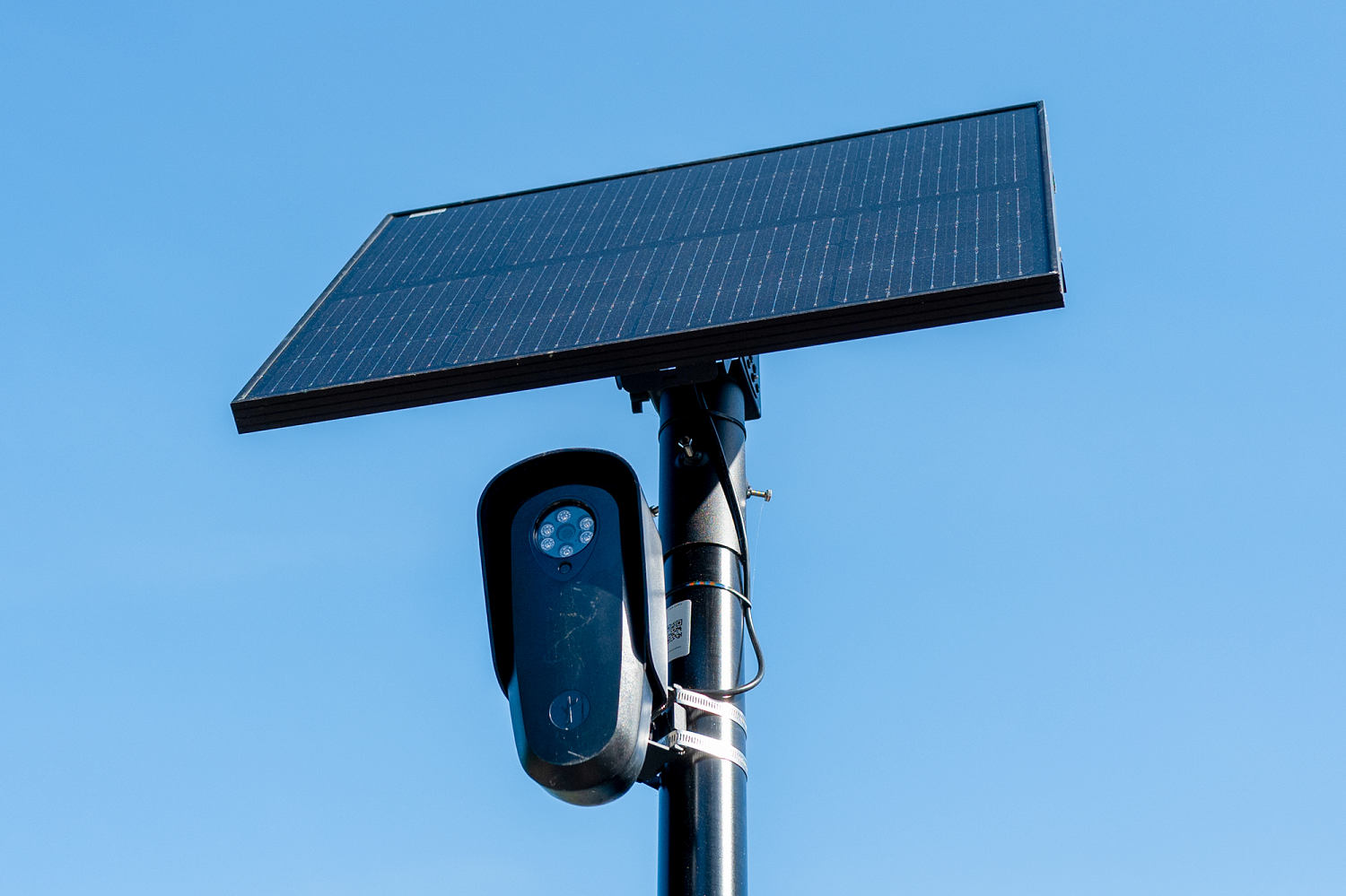
You don’t need a notebook to see how the surveillance game is played. Florida bans license plate readers from highways—no more Flock, no more automated scanning, just you and the open road. Meanwhile, the FTC and 22 states slap Amazon for advertising practices that track every click, every scroll, every tiny move you make online. The highway is the last refuge, hon, because everywhere else, your data is up for grabs. The line isn't drawn for privacy; it's drawn for who gets to profit from watching you. One side says no to tracking plates, the other sues for tracking purchases, but the reader stays the same: the system wants to know where you're going, what you're buying, what you're thinking. In the end, the only thing not recorded is your moment behind the wheel in Florida. Everywhere else, the ads follow you home. The state sets its own standards—and the standards mean the reader moves from the road to your phone. The only thing left untouched is the steering wheel.
“When Florida says no to surveillance, and the FTC sues Amazon for tracking us everywhere else, you know the only place you're safe from being watched is the state highway. Everywhere else, your plate, your clicks, your wallet—someone's got a reader on it.”
“Florida's decision is about protecting privacy and ensuring citizens aren't unfairly monitored, and as for the Amazon lawsuit, that's just regulators doing their job. No one is really being tracked in a harmful way—did I say tracked? I meant optimized.”
The receipts
Regulators say the e-commerce giant forced more than a million advertisers to pay more than they should have. The company denies the claims.
This page is a back-issue: the story as it ran, receipts as they were. The current edition is at the front.