Florida’s state transportation office revoked the ability of local police to put license plate readers on state highways.
Page A5From§Eachthe sunrise edition — 1 September 2026
Florida bans license-plate readers from state highways after backlash, rebrands retreat as 'De-Flocking'
As it ran on the front
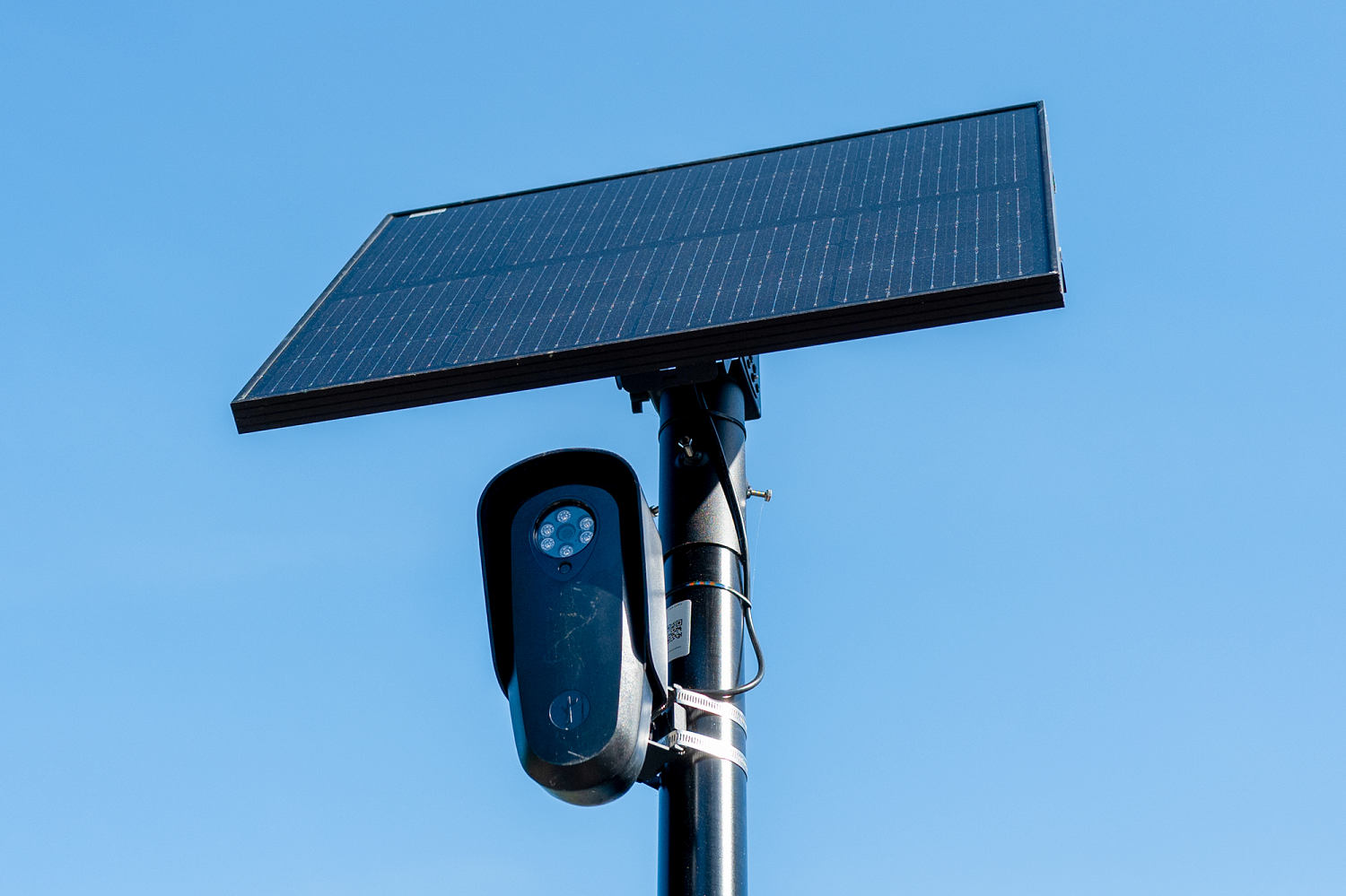
Let's be precise about what happened on Florida's state highways, because the coverage has gotten ahead of the policy rationale. The state identified an automated license-plate reader program, commercially branded 'Flock,' installed along state highways, and made the considered decision to remove it. Internally we are calling this de-flocking. The name tested well in review, and frankly it should — it's memorable, it's plain-spoken, and it does not admit to anything the original rollout didn't already put in a press release of its own.
Now, some reporting has characterized this as a retreat forced by backlash. That is not accurate. This was a proactive recalibration of highway surveillance policy that happened to coincide with — well, that happened in response to — the backlash that the same reporting documents growing in real time. Did I say 'in response to'? That's not the framing we cleared. What I mean is the administration has consistently supported privacy on state roads, going back to, well, going back to whenever the backlash started, which the record shows was fairly recent.…
…(cont) The point is nobody disputes that the readers existed, that they sat on state highways, or that the state banned them. What's in dispute is tone. We would ask that this be characterized as a bold reform rather than a program in retreat, even though those are, on the available paperwork, the same program, described at two different volumes.
To the extent 'de-flock' sounds like something you'd do to a farm, that comparison was not lost on the naming committee. A flock, once installed on a highway, tends to multiply — more cameras, more coverage, more vendors — until removing it requires an announcement with its own name. We are simply the administration that made that announcement. Whether we made it before or after the backlash cited in our own state's reporting is, we'd submit, a question for the archives and not for this column.
We stand behind the highways. We stand behind the readers having been on them. We stand, less firmly, behind the order of operations.
“They didn't pull the cameras because of principle, they pulled them because the backlash finally cost more than the vendor contract. The technology doesn't disappear, it just changes names and press releases. The file already exists on every plate that crossed a state highway, they only stopped billing themselves for it out loud.”
“This is proactive reform, not backlash management — we identified the privacy concerns ourselves, well before any backlash, which, again, is not why we — did I say backlash twice? That's not the framing I was given.”
The receipts
‘I think people are right to be concerned’
This page is a back-issue: the story as it ran, receipts as they were. The current edition is at the front.