US President Donald Trump on Monday announced nine more agreements with pharmaceutical manufacturers intended to lower prescription drug prices nationwide, bringing the total to 26, but patient advocates responded skeptically. The…
Page F2From§Eachthe sunrise edition — 1 September 2026
Promised to lower drug prices, delivered tax breaks for Hollywood; pharma deal called a distraction.
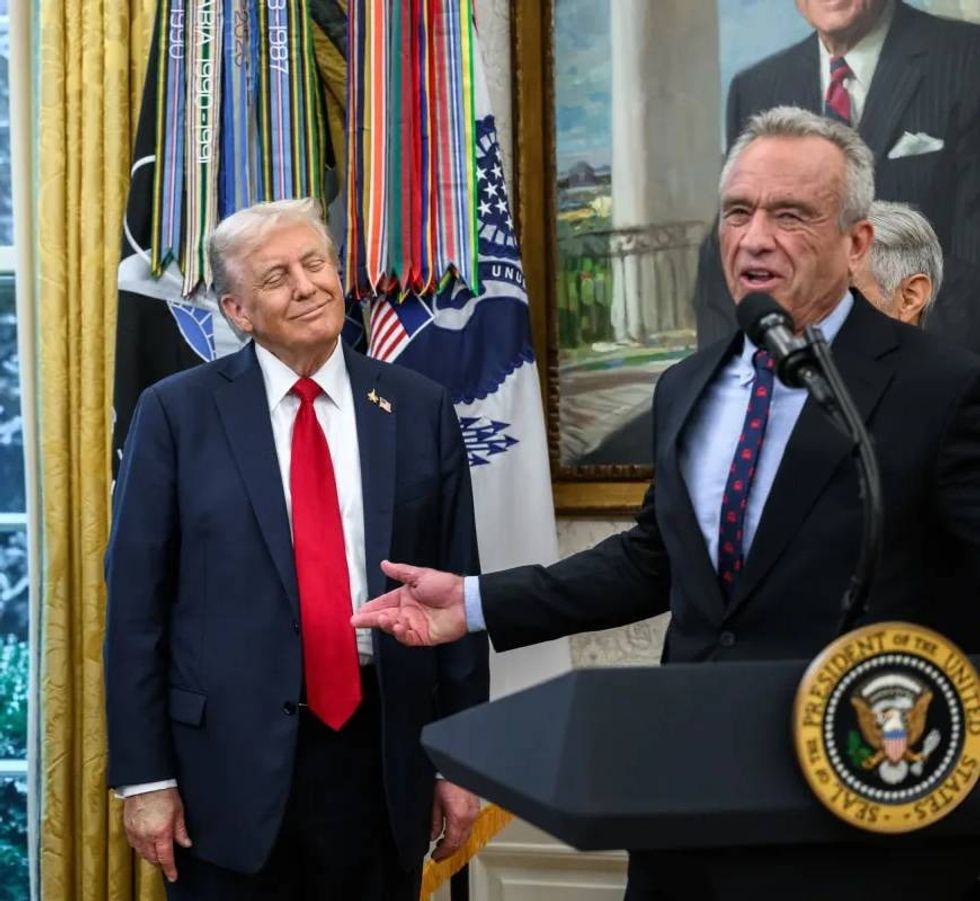
As it ran on the front
Running the two filings side by side. Item one: the administration proposes federal tax breaks aimed at the film industry, framed as an effort to make Hollywood great again. Item two, same week: a pharma deal from the same administration gets flagged by outside analysts as a distraction from what they term a failed plan to lower drug prices in this country. Two columns, two industries, one signature.
Reconciling the ledger. On the benefit side we have a tax break — an actual transfer of federal revenue away from what it would otherwise fund, aimed at a private industry that makes movies. On the cost side, we have a promise, made publicly, to lower the price Americans pay for prescription drugs, which the available reporting says has not been delivered, and the deal offered in its place is being described, by people who track this for a living, as a distraction from that non-delivery.…
…(cont) The gap is not in the numbers, hon — it is in the direction. Tax relief moves toward the studios. Nothing comparable is recorded moving toward the pharmacy counter. If we file 'lower drug prices' as the standing commitment and 'pharma deal called a distraction' as this quarter's entry against it, the account does not balance. It has not been balanced. The tax break, meanwhile, requires no further congressional footnote to take effect once granted — it simply reduces revenue and increases the industry's position, entry made, ledger closed.
None of this requires a motive. It only requires reading the two press cycles in the order they were filed: an industry incentive, announced and specific; a drug-price commitment, unmet and now described, in the same week, as something a deal was built to distract from. Whoever is keeping score at the pharmacy counter can check their receipt against Hollywood's. The two documents, filed together, describe a household budget where somebody found the money — it went out the door in one direction, and it did not, on this week's paperwork, go out the door in the other.
“They found the money for a Hollywood tax break the same week the drug price promise turned into a distraction headline. Movie studios score, the pharmacy counter doesn't. That's one ledger, and your co-pay is on the wrong side of it.”
“This administration has been consistent on lowering drug prices — the pharma deal proves it, well, critics call it a distraction, that's a mischaracterization of — the Hollywood tax breaks are a completely separate initiative, I'm not sure why that's in the same sentence.”
The receipts
President Trump called on Congress to quickly approve a nationwide tax incentive for film and television production, throwing his weight behind a rare bipartisan push to lure entertainment jobs back to the US.
This page is a back-issue: the story as it ran, receipts as they were. The current edition is at the front.