I’m a disabled combat veteran. Being disabled because of my service changes how I read stories about the men and women serving aboard the USS Abraham Lincoln. After one of the most demanding carrier deployments in decades, the Abraham…
Page F4From§Eachthe coffee break edition — 1 September 2026
IRS finally reads 30-year law; charity hospitals hoard $14 billion; Congress asks disabled vets to insure each other.
As it ran on the front
Here is the arithmetic, laid out plain. In the mid-1990s Congress wrote a law requiring nonprofit hospitals to justify their tax exemption with actual charity care. The IRS is reading it now, in 2026. That's a thirty-year gap between the statute and the audit, hon, and in that gap the hospitals it covers built up roughly $14 billion in assets while pursuing collections against the patients the exemption was supposed to protect. The filing says charity. The balance sheet says holding company. Those two documents describe the same building and they do not reconcile.
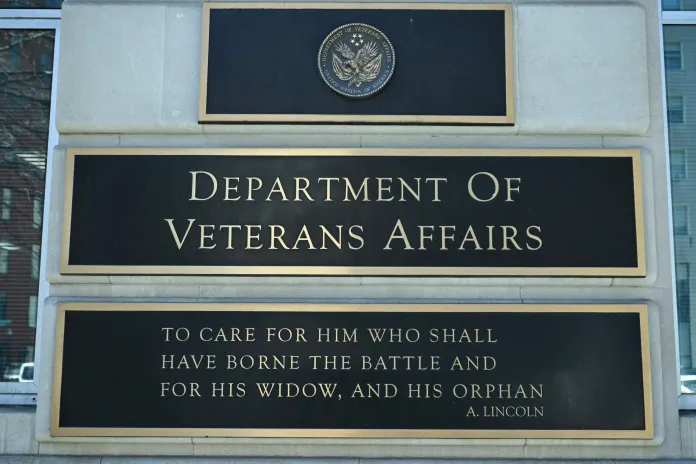
Separately, and on the same news day, Congress is looking at a proposal that would have disabled veterans' benefits offset one another — one veteran's disability rating effectively priced against another's, inside the same finite appropriation. Run that against the VA's own budget request and the number doesn't move; what moves is who's paying it. The hospitals get thirty years of grace on a filing requirement. The veterans get asked to cover the gap between what was promised and what was appropriated, this fiscal year, no grace period offered.…
…(cont) Put the two ledgers side by side. One shows an asset column growing for three decades under a rule nobody enforced. The other shows a benefit column being asked to shrink under a rule somebody is proposing right now, this session. The gap between 'we'll get to reading your filing eventually' and 'pay each other starting now' is not an accounting error. It is a choice about which column gets the audit and which column gets the memo.
None of this required a whistleblower or a leak. It required someone opening a filing cabinet that had been closed since roughly the Clinton administration and a committee print that's public record right now. The hospitals aren't hiding the $14 billion; it's in the disclosures, filed on time, every year, for thirty years, technically compliant with a requirement nobody checked. The veterans' proposal isn't hidden either; it's sitting in committee with a bill number attached.
The gap doesn't announce itself. It just sits there, in the filing, until somebody runs the numbers against the table. That's the job. The numbers are already public. Somebody just had to add them up in the same afternoon.
“They found a law from thirty years ago the same week they floated making wounded vets split the bill with each other. That's the trick, always was: call it charity when they hoard it, call it fair when you're the one bleeding. Nobody forgot that law, they just decided which decade to remember it in.”
“The IRS enforcing existing law is just good governance, nothing retroactive or punitive about it. And the veterans proposal is still in committee, it's not policy, it's a discussion draft — a discussion draft that, fine, would have vets covering each other, but that's not the same as passing it, is it.”
The receipts
For too long, Washington has talked about the high cost of healthcare while tiptoeing around one of its biggest drivers: hospital prices. That is finally beginning to change, however, as both Congress and the Trump administration have been…
In my financial services career, I have learned one rule that never bends: You pay claims to the beneficiaries named in the document, not to whoever shows up with a plausible story. A trustee who ignores that distinction loses a license, a…
This page is a back-issue: the story as it ran, receipts as they were. The current edition is at the front.