The world’s largest economy should not be governed by outdated assumptions about how fast it is capable of growing. Kevin Warsh used his Jackson Hole address to challenge the Federal Reserve to reconsider those limits and rethink its approach to monetary policy. Although much of the immediate attention focused on whether Warsh increased…
Page F5From§Eachthe coffee break edition — 1 September 2026
Bond sell-off squeezes borrowers worldwide as US growth 'speed limit' is challenged
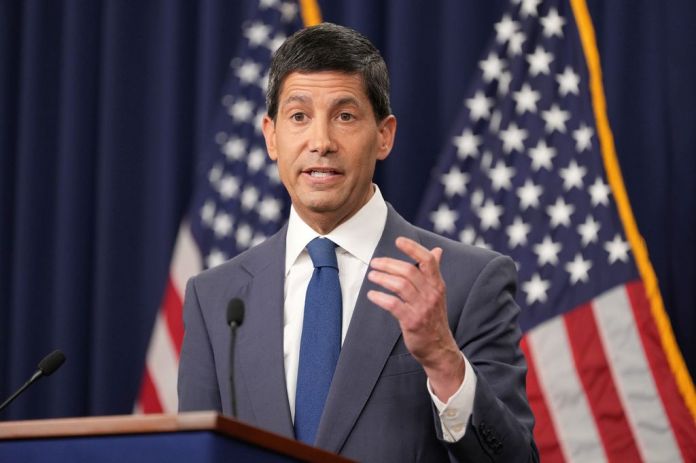
The bond sell-off is documented in the Times: borrowers worldwide face tighter conditions, and the Fed’s artificial 'speed limit' on growth is challenged in the Examiner. The reconciliation is in the rates, hon: as bonds lose value, the cost of borrowing rises. The Fed’s policies become the speed bump, and the market’s reaction is measurable. The gap is the spread between the interest rate and the borrower’s ability to pay. The adjustment is temporary, the squeeze is real, and the numbers are not surprised. The borrowers are survived by their payment schedules, preceded in death by low rates. In lieu of flowers, hon, ask your bank for the new rate on your mortgage.
“The bond market tanks, borrowers get squeezed, and the Fed’s 'speed limit' gets called out. The winners don’t need loans; the rest pay for the traffic jam.”
“The sell-off is a market correction, not a crisis. Challenging the Fed’s policies is healthy debate, and borrowers will adapt. If there’s a squeeze, it’s temporary. Did I say 'tanks'? I meant 'adjusts.' Growth is resilient.”
The receipts
Government yields are hitting multi-decade highs, reflecting anxiety about debt levels, deficits and inflation. The effects will extend to mortgages, business loans and other types of credit.
This page is a back-issue: the story as it ran, receipts as they were. The current edition is at the front.