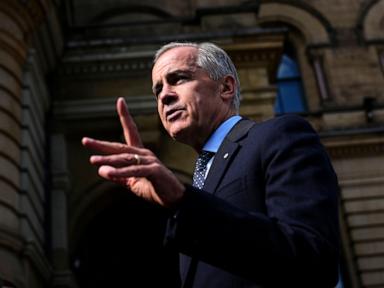
Canadian Prime Minister Mark Carney says the Trump administration needs to “stop doing memes, stop throwing shade and stop trying to be tough.”
Page F7From§Eachthe early evening edition — 1 September 2026
Trump's tough-guy trade routine draws a public smackdown from Canada and quiet mutiny at the G20.
As it ran on the front
Let's run the numbers on this one, the way you'd run any filing against the table. The administration's trade posture toward Canada has been described, by its own architect, as tough. Prime Minister Carney's response, delivered in public, at a summit, on the record: stop trying to be tough. That's not a rebuttal buried in a footnote, hon, that's the counterparty reading the invoice back to you line by line and declining to pay it.
Meanwhile at the G20 table, the reporting says some U.S. allies are pushing back on the broader economic approach — not privately, not through diplomatic cables that stay diplomatic, but in a room with everybody's finance minister present. When you tally up who's still standing behind the stated strategy at the end of the summit, the column doesn't reconcile. You had one seller insisting the price was firm, and a room full of buyers who simply didn't sign.…
…(cont) I want to be precise about what did and didn't happen here, because precision is the whole point of doing this job instead of a hot take. Nobody canceled any agreements. Nobody imposed new tariffs on the spot. What happened is a stated posture — 'tough' — met a documented, quotable, on-the-record correction from a head of government, and the room around him did not rush to disagree with the correction. That's the entry. That's all it is.
Where does a gap like that usually turn up? In the next round of trade numbers, when the tariffs meant to project strength instead show up as a line item on somebody's grocery bill, because that's generally where tariffs end up sitting — not on the foreign government they're aimed at, on the invoice at the register. The administration gets the headline about being tough. The consumer gets the reconciliation.
So the filing says: strategy, tough. Response, public correction. Allies, unmoved. Consumer, invoiced later. Four columns, and they don't need an adjective added to any of them to make the point. They already don't add up on their own, and that's usually the tell.
“Trump talks tough on trade and the guy on the other side of the table just tells him to cut it out — in public, at a summit, on the record. When your own allies are the ones calling you out instead of the country you're supposedly fighting, that's not strength, that's isolation with a podium.”
“The President's approach to trade has always been about maximum leverage, and frankly some pushback at a summit is just other countries negotiating — it doesn't mean the strategy isn't working, it means it's working exactly as intended, which is why Canada felt the need to respond publicly instead of just, well, agreeing quietly like they usually — I don't think I should have said 'usually.'”
The receipts
At a summit meant to showcase President Trump’s economic policies as a model for the world, Europeans complained about tariffs and the war with Iran.
This page is a back-issue: the story as it ran, receipts as they were. The current edition is at the front.