Roughly 17 million barrels of oil and gas products passed through the Strait of Hormuz on Monday, the most since the war in Iran began. Energy Secretary Chris Wright confirmed the total with reporters while traveling to Venezuela Tuesday evening, saying all 17 million barrels passed through via boat. When accounting for additional…
Page F1From§Eachthe sunrise edition — 2 September 2026
US plan to ‘asphyxiate’ Iran’s economy has allies’ support as oil flows through Strait of Hormuz
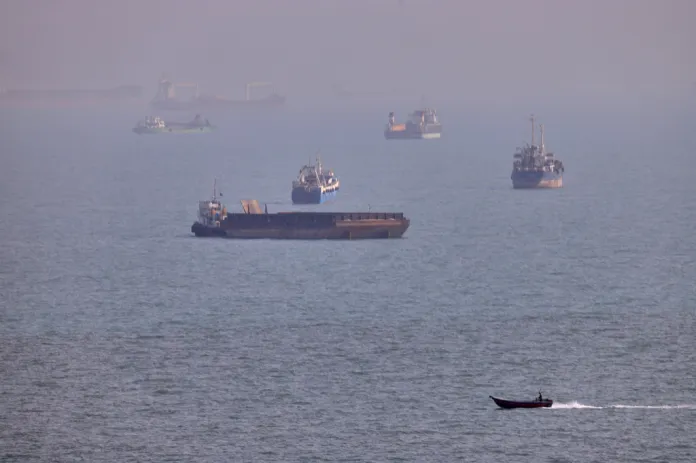
The plan is precise: asphyxiate Iran’s economy, with full support from allies, and keep the oil in check. Except the oil keeps flowing through the Strait of Hormuz, the receipts show. The embargo is a policy, not a pipeline. The gap is measured in barrels per day, and the plan is measured in supportive statements. Allies sign on, the oil doesn’t sign off. The ledger stays open, hon, because the economy isn’t the only thing moving. The squeeze hits the invoice, not the tanker. The embargo is airtight, but the oil slips through. The receipts say the flow is up since the war began. The plan is in the press release; the pipeline is in the ledger.
“They say the plan is airtight, but the oil keeps moving. The squeeze doesn’t stop the flow, just the paycheck.”
“Economic pressure is essential to national security, and the continued oil flow is proof of global resilience. Did I say resilience? I meant loophole. Or maybe I didn’t. I think I did.”
The receipts
On the sidelines of the G-20 meeting of finance ministers, Treasury Secretary Scott Bessent pushed allies to support the United States’ efforts to constrain Iran’s economy.
This page is a back-issue: the story as it ran, receipts as they were. The current edition is at the front.