Chevron is the largest foreign oil operator in Venezuela. The deal will expand its footprint at a time of political and economic uncertainty for Venezuela.
Page F1From§Eachthe coffee break edition — 2 September 2026
Administration declares oil war won, then hands Chevron expanded access to Venezuela.
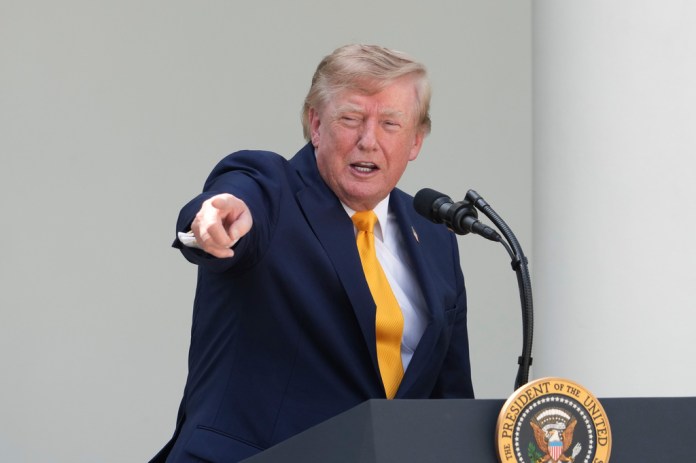
As it ran on the front
The wire item dated this week says the administration is 'winning' its oil war. Let's check the filing against the calendar. The U.S. and Venezuela signed a new oil arrangement. Some number of days later — the reporting says 'days after' — Chevron announced it will expand its Venezuela operations. Two entries, one ledger.
Here is what does not appear in either item: a public accounting of what Venezuela received in the arrangement, or what the American public receives from a company expansion that shows up on Chevron's balance sheet and nowhere on a Treasury one. The word used in the coverage is 'win.' A win, in the ordinary sense, distributes something to the winner. In this filing, the distribution goes to a publicly traded oil company headquartered in Texas.…
…(cont) This is not the first oil arrangement to work this way, and it will not be the last, hon. The pattern holds: an announcement framed in terms of American leverage precedes, by a matter of days, an announcement framed in terms of a single company's balance sheet. Line them up and the gap between the political claim and the commercial beneficiary is not zero. It is the entire deal.
Cross-reference: who wrote the 'winning' headline, and who wrote the note about Chevron's expanded footprint? Different desks, same week, describing the same transaction from two different columns of the same ledger — the politics column and the shareholder column. Only one of those columns has a dollar figure in it, and it isn't the one about winning.
None of this requires a conspiracy. It requires a calendar. Sign a deal on one date. Expand a subsidiary a few days later. Call the first act a war won and the second act a business decision, and hope the reader doesn't check whether they're the same transaction wearing two hats.
They are the same transaction. The filing says so. The dates say so. The only entry that doesn't say so is the press release.
“They tell you it's a geopolitical win, and it is, for one company. The oil war ends the same way it always ends, with a Texas oil major landing the deal days after the flags stop waving, and the actual point of the war disappears into a shareholder letter.”
“This is just diplomacy opening reliable energy markets to American companies. Sure, Chevron happened to be first through the door days after the deal closed, but that's called being prepared, not a payoff — forget I used the word payoff.”
The receipts
President Donald Trump’s supposed weekslong war on Iran has now trudged into months, but while it’s hard to say whether he’s winning his war over the country’s suicidal dictatorship, it’s becoming increasingly clear that, against all odds and a concerted, anti-American psy-op, the White House is winning its war for oil independence. In a…
This page is a back-issue: the story as it ran, receipts as they were. The current edition is at the front.