{beacon} Energy & Environment Energy & Environment The Big Story Trump seeks to cut report's worst-case climate scenarios The Trump administration is looking to change a 2023 federal climate report. © Manuel Balce Ceneta, Associated Press…
Page A16From§Eachthe early bird edition — 2 September 2026
White House redacts the worst-case climate scenarios the UN says fast emissions cuts could still prevent
As it ran on the front
The UN Environment Program put out a report Wednesday called "Limiting Overshoot," and the headline number is almost hopeful, for a climate report. The planet is going past 1.5°C — that part's done, the authors say it plainly, there's no walking it back. But it's not a point of no return. Best case now is a peak of 1.8°C. The seas keep rising, the heatwaves keep intensifying, the hurricanes and wildfires and floods keep getting worse and more frequent, all the stuff we've been warned about since before some of you had kids — but the overshoot itself can still be temporary, the report says, if the emissions cuts come fast and come now. That's the whole pitch. Damage limited, if you plan for it.
Six days before that report landed, on August 27th, The Hill ran the other half of the story: the Trump administration is looking to change the Fifth National Climate Assessment — the 2023 federal report — specifically by reframing how it handles its worst-case scenarios. Not updating them. Not sharpening them. Reframing them, which in a government document is the polite word for taking them out back.…
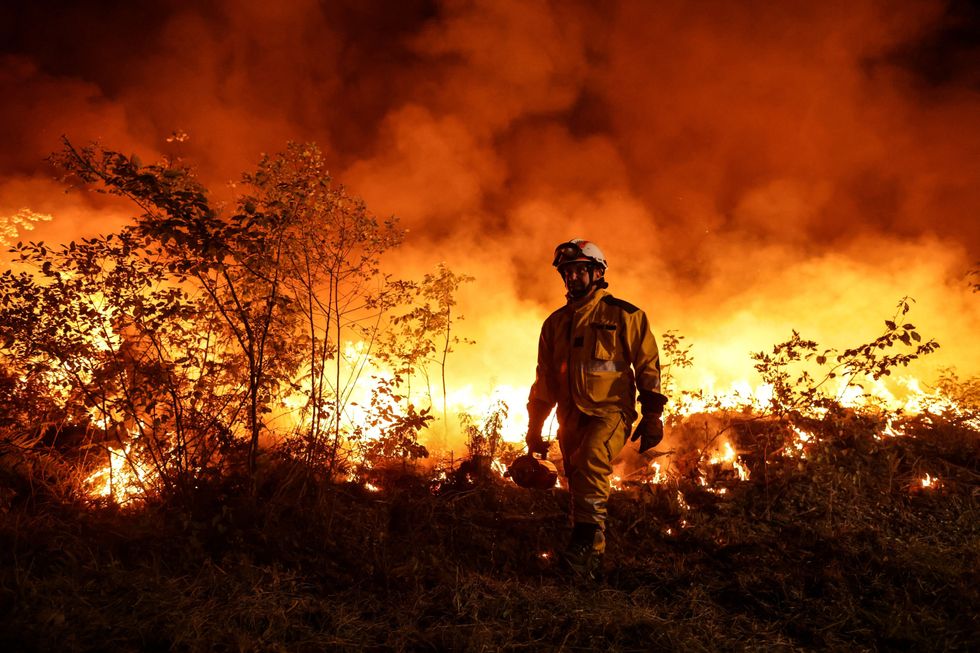
…(cont) So sit with the order of operations here, because it only works in this order. The UN tells you the damage is still limitable — but limiting it means knowing how bad the worst case actually is, so you can size the response to it. You cut a wildfire line at the ridge you expect the fire to reach, not the ridge you'd prefer it reach. And six days before the UN handed everybody the "still limitable" news, the administration was already narrowing the federal document that would tell you where the ridge is.
This isn't two climate stories running the same week. It's one document getting edited down right before the report that explains why you needed it unedited. The worst-case scenario isn't a scare tactic, it's the size of the check — how much sea wall, how much fire line, how many transformers underground instead of on a pole. Redact the worst case and you don't make the risk smaller. You just make sure nobody budgeted for it.
“They're not hiding the worst-case numbers because the numbers are wrong — they're hiding them because the numbers have a price tag on the fix, and the fix isn't in this year's budget. You cut the worst case out of the report, you cut the worst case out of the plan, and the guy paying for the flood insurance is you. That's not caution, that's a receipt for a bill somebody already decided not to send them.”
“Look, nobody's hiding anything — the Fifth National Climate Assessment worst-case section was just, it needed a refresh, the models were old. You don't want the government running policy off some doomsday number that scares people out of the housing market, that's not — okay, that IS what worst-case planning is for. Fine. But it was expensive to produce. That's a real reason. I think.”
The receipts
The world has officially moved past the point where preventing a temperature rise above 1.5°C will be possible, scientists said in a United Nations report released Wednesday, which made clear that communities can expect sea levels to continue rising, heatwaves to intensify, and hurricanes, wildfires, and flooding to become more frequent…
The report said the overshoot is not a point of no return, and that steps can be taken to ensure it is only temporary.
This page is a back-issue: the story as it ran, receipts as they were. The current edition is at the front.