Spooked by anti-billionaire talk from the Democratic Party base, ultrawealthy donors are backing Republicans this cycle. That confronts the Democrats with a choice they’ve spent years avoiding: chase big money or build mass politics.
Page F3From§Eachthe early bird edition — 2 September 2026
Montana Democrats campaign against billionaires driving up prices, their national party lets one build its machine.
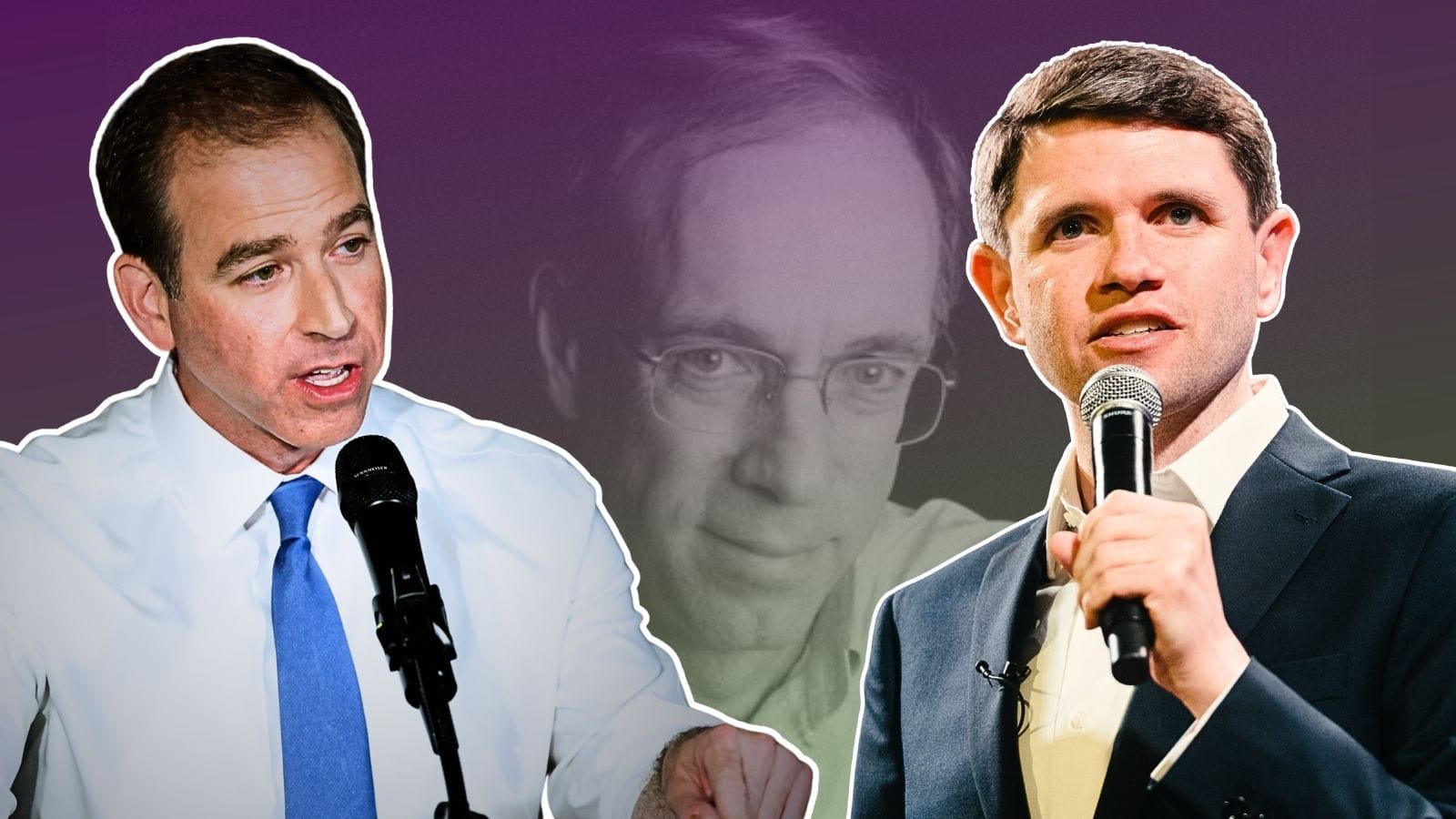
As it ran on the front
The file on Montana Democrats reads clean enough. The New York Times reports today that a smokejumper is running for office promising to make out-of-state billionaires pay for what they've done to Montana grocery bills, propane bills, rent. The party has tried this message before and it never quite landed. This year someone thinks it will.
Five days earlier, on August 27, Jacobin filed a different set of numbers. The wealthiest donors to the Democratic Party, the ones who write the checks that keep the lights on at headquarters, have started moving their money to Republicans instead. The reason given is not tax policy or trade. It is the anti-billionaire talk itself — coming up from the party's own base — that has these donors spooked. The piece frames it as a fork in the road: chase the big checks or build something that doesn't need them.…
…(cont) That same day, The Lever ran the other half of the ledger. One billionaire, it reports, is building the Democratic Party's new machine — the infrastructure for this midterm and the presidential cycle after it — and steering the party toward the center while doing it.
Run those two August 27 filings against the September 2 campaign ad and the columns do not close. A candidate in Montana is asking voters to punish billionaires for driving up prices. The apparatus behind that candidate's own party, on the same week, is drawing its blueprints from a billionaire's checkbook. Nobody in these three stories is lying, hon. The smokejumper's numbers on grocery prices are real. The donor flight in Jacobin is real. The architecture in The Lever is real. They are simply three entries in the same file that were never meant to be read together.
The gap has a size. It runs from a campaign promise in Montana to a construction project inside the party that fields the candidate making it. Whether that gap closes before November is not a money-desk question. Where the money already sits — that part reconciles fine.
“They run ads blaming billionaires for your grocery bill, and good, somebody should. But the same week the receipts drop, we find out a billionaire is the one building the party's whole machine for this election and the next. You don't get to campaign against the landlord while he's laying your foundation.”
“Look, you have to be competitive, and if the grassroots isn't funding a national infrastructure, someone has to — that's just how modern campaigns work. It's not about any one donor's agenda, it's about capacity. Did I say donor's agenda? Strike that — I meant a valued stakeholder's generous investment in Democratic capacity-building.”
The receipts
We peel back the curtain on one billionaire’s effort to move the Democratic Party more to the center during this midterm season and the upcoming presidential season.
For years, Democrats have failed to harness the anger of Montanans contending with out-of-state wealth driving up costs. This year, a smokejumper thinks he can succeed.
This page is a back-issue: the story as it ran, receipts as they were. The current edition is at the front.