As climate change worsens wildfires, a gutted US Forest Service is struggling to keep up.
Page A5From§Eachthe matinee edition — 4 September 2026
Trump fires fire crews, wildfires handle the rest
As it ran on the front
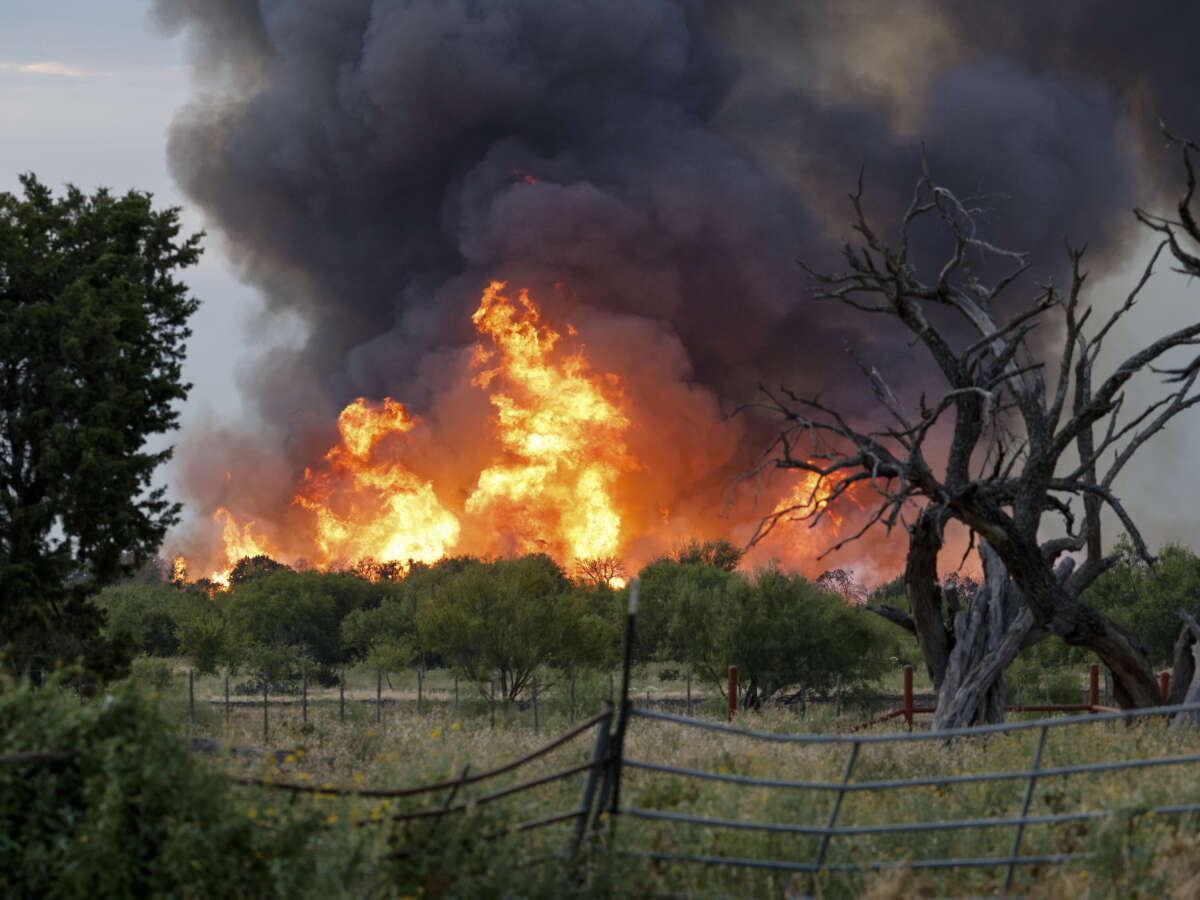
In the old days, when a wildfire broke out in California or Colorado, you could count on a battalion of federal firefighters rolling out to meet it. The Trump administration changed that calculation, cutting fire crews for what they called 'efficiency.' Now, the Ross Fire is burning through more than 90,000 acres, and the crews are short-handed.
The receipts are simple: first the firings, then the fire. They call it a coincidence; the insurance companies call it a higher premium. This isn't about acts of God—it's about acts of government, and the savings come due when there's no one left to fight back the flames. The smoke doesn't care who signed the pink slip. The only thing left to do is grab a hose and hope the wind changes direction.…
…(cont) Next time the fire season comes around, check the payroll before you check the forecast. The odds are, one will tell you more than the other.
“They cut the jobs fighting fires, then stand in the smoke and tell you it's just the weather. The payroll savings burn twice: first the crews, then the woods, then whatever's left of your insurance. The climate doesn't care about budget cuts, but your house does.”
“It's not fair to blame the administration for the weather. Forest fires have been happening for centuries. Anyway, streamlining fire management is about efficiency—wait, did I say 'fired'? I meant 'right-sizing.' The important thing is, sometimes nature just acts up.”
The receipts
The wildfire, which has torn through Palo Pinto and Jack counties, has forced evacuations, closed roads and disrupted schools.
This page is a back-issue: the story as it ran, receipts as they were. The current edition is at the front.