Employees at LanguageLine Solutions say they are facing heavier workloads, erratic schedules, and burnout.
Page F2From§Eachthe milkman edition — 10 September 2026
AI rollout earns workers crushed wages, lost jobs, and worse working conditions.
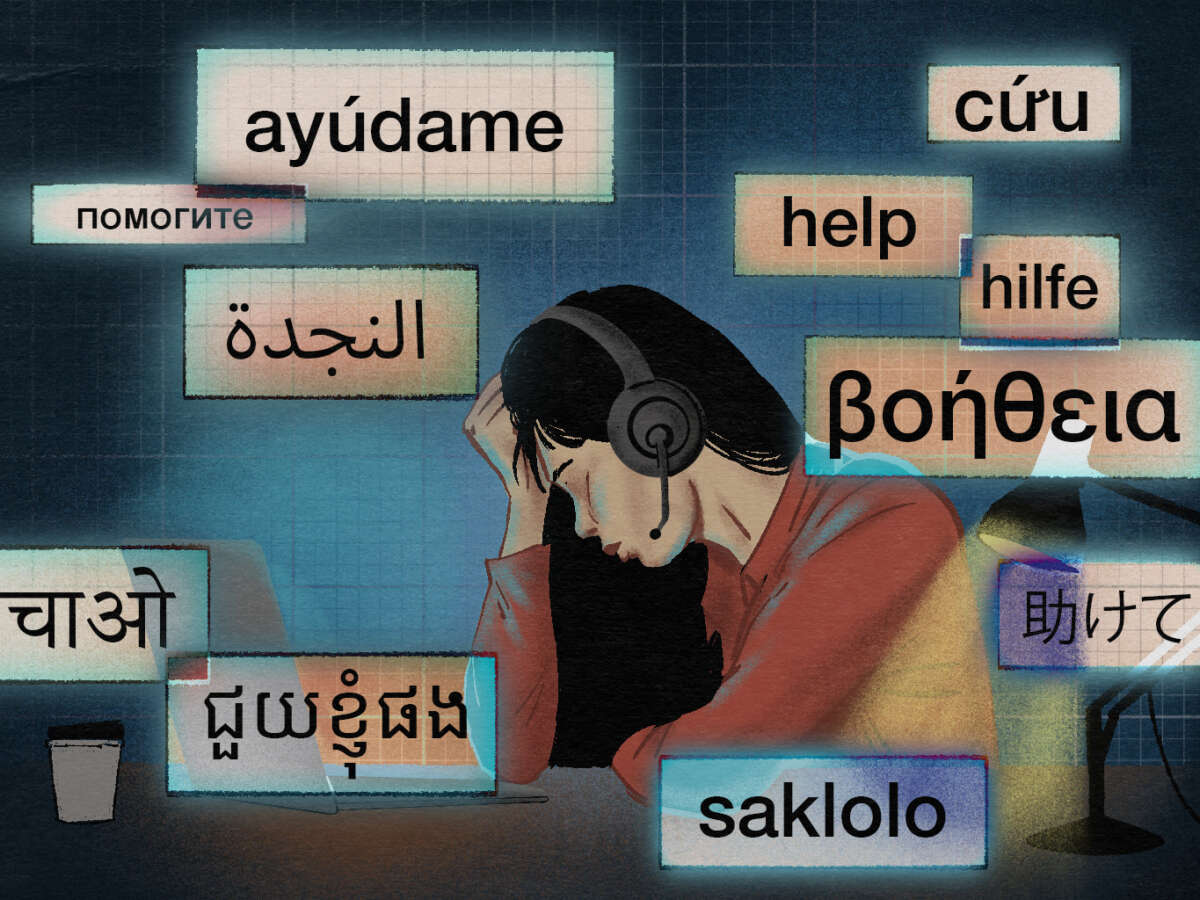
When a union report warns that electronic shelf labels threaten both jobs and wages, and employers' integration of AI leaves interpreters facing even worse conditions, the ledger starts to look less like innovation and more like subtraction. The receipts are clear: automation is not just replacing the job, but squeezing what's left. The shelf labels aren't simply a gimmick for price updates — they're a precision tool for shrinking payroll. Meanwhile, interpreters, whose work was once considered a skilled necessity, now find their hours cut, their contracts downgraded, and their protections dissolved, all in the name of AI efficiency. The pattern is not accidental, and the numbers don't surprise anyone who tracks the bottom line. When the technology arrives, the protections leave first, the job leaves second, and the wage follows last. The gap between what the machines save and what the workers lose widens, and the only line item that grows is the executive bonus. In lieu of flowers: the labor contract, signed before the robots, honored after.
“They told us robots would handle the hard work, but somehow the human jobs got harder and fewer. The tech gets smarter, the pay gets smaller, and the only thing automated is the pink slip.”
“Actually, automation increases efficiency, which benefits everyone. If a few jobs change or disappear, that's just progress. Did I say 'disappear'? I meant 'transform'. That doesn't sound like me.”
The receipts
Lawmakers are already raising concerns that electronic shelf labels could be used by grocery chains to jack up prices on shoppers. But the technology could also be used to shrink paychecks and kill jobs, according to a report out Wednesday from the research arm of the AFL-CIO. The new report examines marketing materials used by…
This page is a back-issue: the story as it ran, receipts as they were. The current edition is at the front.