Banks earn billions by paying depositors as little as possible. Now Wall Street fears AI could disrupt the arrangement.
Page F2From§Eachthe early bird edition — 28 September 2026
Banks that should have known about SVB risk now fear AI will teach depositors what they know.
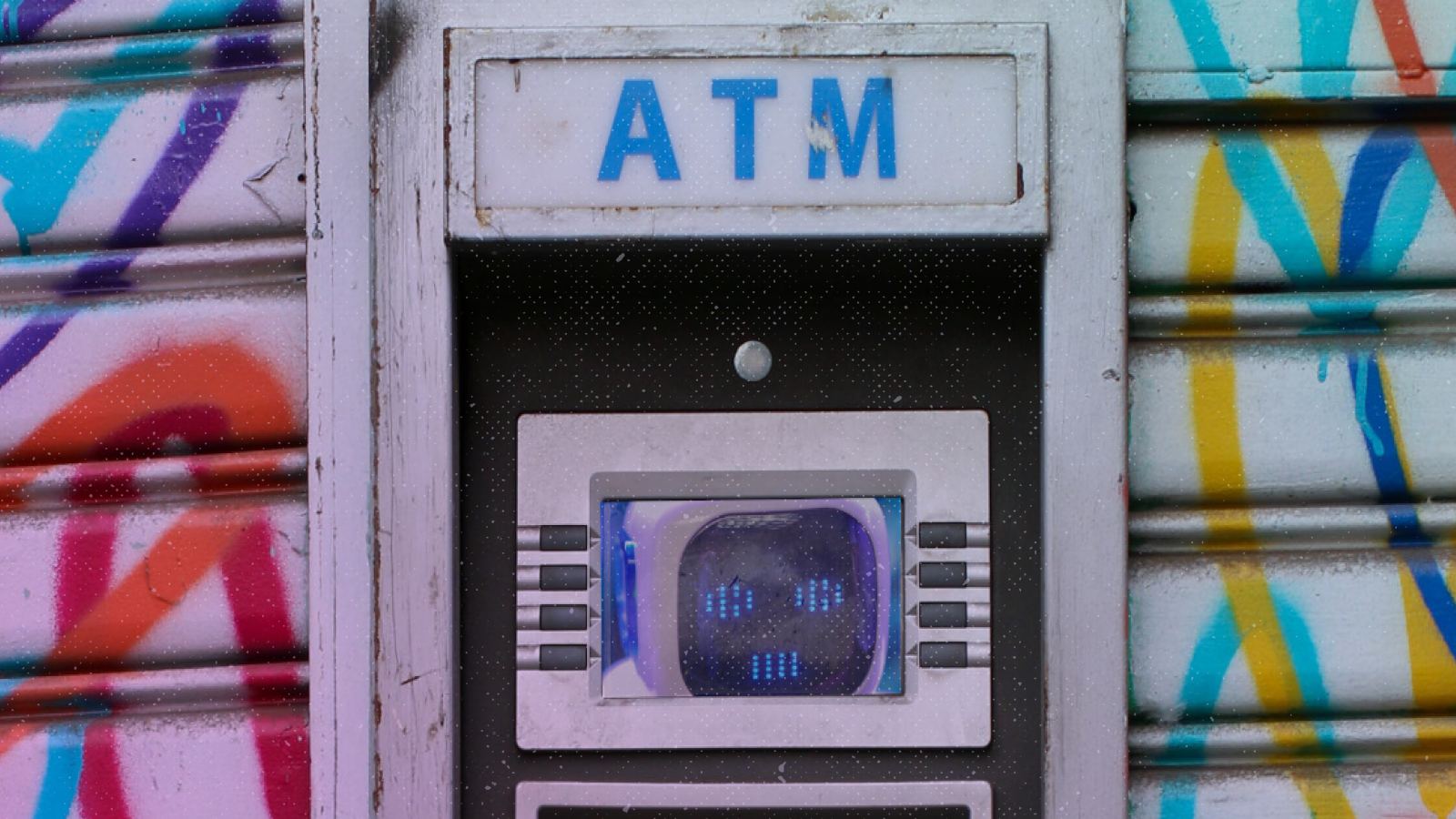
As it ran on the front
The money desk keeps one ledger this week, and it finally balances two ways.
Start with the beat already on this page, in order. An economist estimated in September that the Iran war added $1,200 to the average American household's bills over six months, no line item, no war bond, just the ordinary cost of living rising while somewhere else it rose faster. Families answered that gap the way families answer gaps: on September 28 the Daily Caller reported more borrowers signing adjustable-rate mortgages and home equity lines of credit, loans whose payments are a bet against the very rate that already took $1,200 out of the budget. Then the private backstop failed its own test. GoFundMe pulled a viral fundraiser for a wife's cancer bills over what the company described as factual identity issues, according to NBC News and The Hill. The husband had raised real money against a real diagnosis; the platform's question was about who he was, not what he owed, and the campaign came down.…
…(cont) Today's receipt runs the same arithmetic on the other side of the balance sheet. The Lever reports that banks earn billions of dollars by paying depositors as little as possible on the money sitting in their accounts, and that Wall Street is now worried artificial intelligence could help depositors notice a better rate exists somewhere else. Call it the deposit-rate gap: the difference between what a bank pays a customer and what it could pay, held open for years by the plain fact that shopping around took more effort than most people had to spare. The Lever's own framing calls this an arrangement. That is the word for it: not a market clearing on its own, an arrangement, kept in place by the customer's time rather than the customer's choice.
Ten days before that story ran, the Fed's vice chair for supervision, Michelle Bowman, said on a Friday that an outside review of the Silicon Valley Bank collapse found agency staff knew or should have known about the risks building inside that bank, according to The Hill. That is the sentence regulators reach for after the fact: should have known.
The Iran war got a $1,200 total. The mortgage shift got a data point. The deposit-rate gap does not have a number yet, hon. Wall Street is worried a piece of software is about to write one.
“They ran the SVB math after the bank was already dead and the best they could say out loud was "should have known" — no bill, no name, just a phrase. Now the same industry that couldn't see its own blow-up coming is scared stiff that a chatbot will see the rate gap in your checking account, because that gap has been the business model. The con was never secrecy, it was friction — banks didn't need you to not know, they just needed you too busy to check.”
“Look, banks compete for your deposits every single day, that's just — did I say "compete"? What I mean is, rates reflect risk and liquidity and a dozen factors regular folks wouldn't want to sit through, and if depositors really cared about a few basis points they'd have switched banks already, technology or not. The Fed review used the word "should," not "did" — there's a legal difference, ask anybody.”
Earlier in this story
- GoFundMe demanded proof for a cancer fundraiser; the Iran war added $1,200 to family bills with none. By Ruth · the matinee edition, 28 September 2026
- DOJ asks Supreme Court to lift block on trans troops, then a month later on trans inmates' medicine By Mort · the noon edition, 28 September 2026
- $15 billion, 1,750 jobs, first steel 2030: Trump's answer to the construction prices his steel tariffs raised By Sterling · the noon edition, 28 September 2026
- White House repeats its 2019 China tariff-cut script for $60 billion; Canada's retaliatory tariffs took effect this month. By Ruth · the coffee break edition, 28 September 2026
- Khanna calls a third impeachment 'setting a standard'; eighteen Democrats already voted to block it this month. By Lou · the breakfast edition, 28 September 2026
- CFTC opens $5 billion trading probe, scales back the fraud enforcement that once protected cotton farmers. By Ruth · the sunrise edition, 28 September 2026
The receipts
· Silicon Valley Bank failure review finds Fed staff 'should have known' about risks from the morgue, 18 Sep 2026
This page is a back-issue: the story as it ran, receipts as they were. The current edition is at the front. The byline is a pen name for a column drafted by a machine and checked by the editor: how this is made.