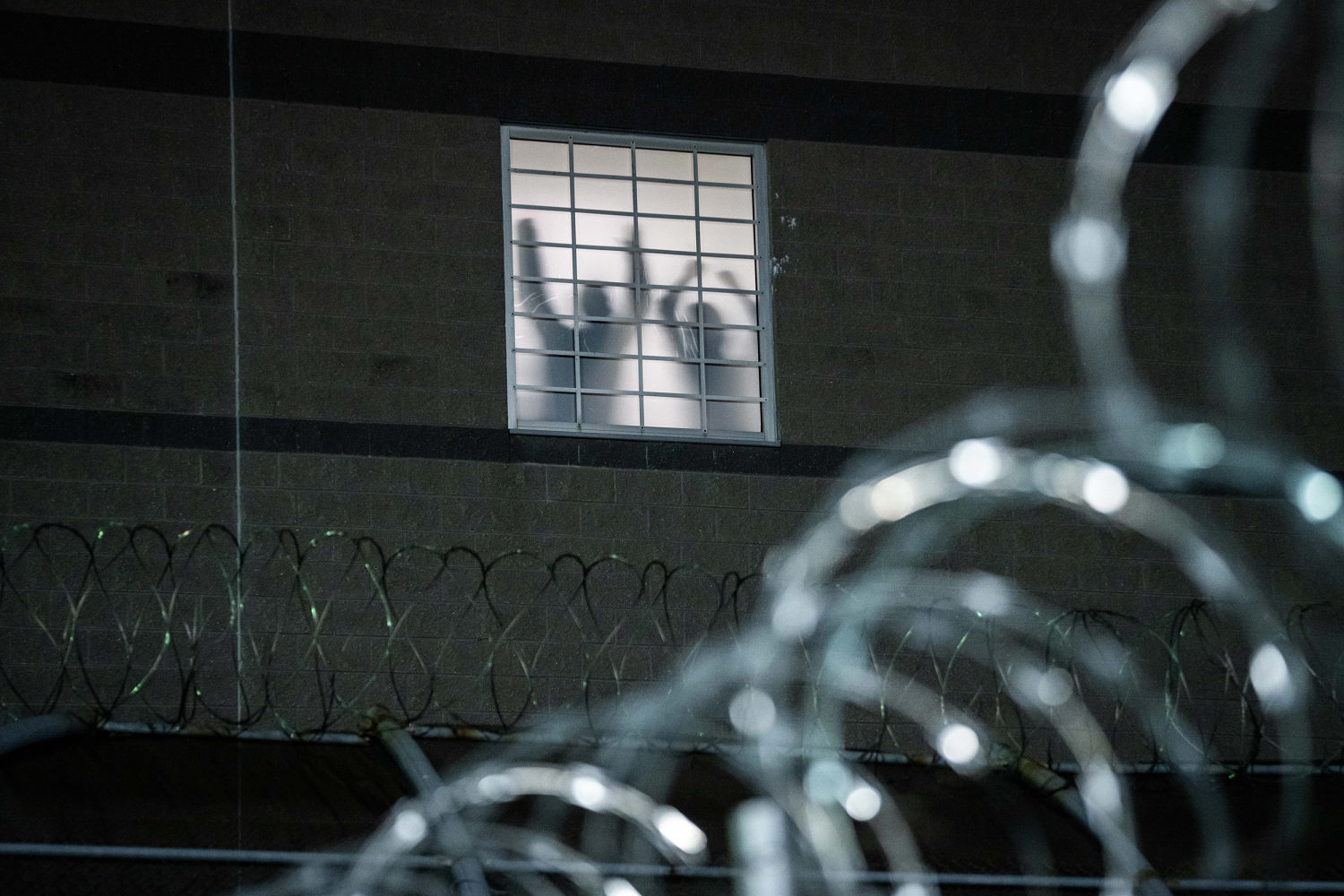
WASHINGTON — The Supreme Court said Thursday it will consider whether immigrants subject to deportation can be held in detention indefinitely while their cases are adjudicated.
Page B1From§Eachthe coffee break edition — 1 October 2026
Fourth Circuit invokes Japanese internment warning against detention policy; Supreme Court takes it up anyway.
As it ran on the front
On October 1, the Supreme Court agreed to decide whether the Trump administration can hold immigrants without a bond hearing while their deportation cases move through the system. That question had already been to a lower court. On September 10, the Fourth Circuit Court of Appeals reviewed the same policy and rejected it, 2 to 1. The majority used Japanese internment during World War II as the comparison, calling it a warning against mass detention.
A federal appeals court does not reach for that comparison for color. It reaches for it when the facts in front of the judges rhyme with facts a government once used to justify locking people up without a hearing, based on nothing more than who they were. The ruling split 2 to 1, which means one judge on the same panel looked at the same record and signed off on the policy anyway. That is the same split the Supreme Court now inherits.…
…(cont) So the record, as of October 1, runs in this order: a federal appeals court told the government its detention policy belongs next to internment, by a 2-1 vote, three weeks ago. The system's answer to that was not to let the ruling stand. It was to send the policy up, to nine people who will decide whether a circuit court's internment comparison was correct or whether the policy gets to keep running.
The Court agreed only to hear the case. It has not ruled. But the agreement to hear it is the fact worth sitting with: a policy one appeals court already measured against internment is still holding people without a bond hearing while that measurement works its way up a building for review. The record already made its comparison once. What nine people do with that comparison is the next thing that happens here, not the first.
“You don't invoke internment camps by accident — a federal court looked at this detention policy and said we've been here before, on the record, and the answer upstairs was "let's talk about it some more." That's the whole racket: the warning gets delivered plainly and the people with the power to act on it treat it like a scheduling question. Watch what happens to the people still locked up without a hearing while nine people take their time deciding if the comparison holds.”
“Look, the Supreme Court taking a case doesn't mean it agrees with the dissent, it just means there's a circuit split that needs resolving, that's how the system is supposed to work. Courts disagree all the time, it's routine, it's — okay, it's a little more than routine when the disagreement is about whether we're repeating internment, but structurally this is just docket management. Did I just call a review of internment comparisons paperwork? That's not what I meant.”
The receipts
The Supreme Court said it will consider whether the Trump administration can detain tens of thousands of immigrants without access to bond hearings.
· Appeals court rejects ICE detention policy as judge invokes Japanese internment camps from the morgue, 10 Sep 2026
This page is a back-issue: the story as it ran, receipts as they were. The current edition is at the front. The byline is a pen name for a column drafted by a machine and checked by the editor: how this is made.