San Francisco-based artificial intelligence firm OpenAI has "parted ways" with three safety researchers who allegedly shared "confidential company information," The Wall Street Journal reported Thursday, prompting fresh alarm among critics who accuse the ChatGPT maker of sidelining internal warnings about the risks posed by its…
Page A2From§Eachthe midnight edition — 4 October 2026
White House orders three-month study to find the AI risks its own accord already promised to handle
As it ran on the front
On September 25th, Trump told reporters Treasury Secretary Scott Bessent would not be the first czar of the administration's "Super Intelligence Force." A denial is a small thing. It is also, read backward, a confession that a seat existed and someone had to be told they weren't getting it.
Four days later the seat found its purpose a different way. On September 29th the White House released the text of its "Accord on Superintelligence," which tech CEOs signed and Trump called "morally binding." The document promised real oversight without a regulatory capture regime. Read clause by clause, as this column did that day, it named zero enforcers. The oversight was internal — a word doing the job "accountable" was supposed to do.…
…(cont) That same day, Representative Ro Khanna announced what he told CNBC was "the most comprehensive... legislation to date" on artificial intelligence — his own ellipsis, not ours, the gap in the quote as the receipt gives it. Khanna wants a temporary ban on AI systems that can improve themselves without human input, a ban CNBC reported he wants held in place until the federal government builds proper guardrails. A sitting member of Congress was, on the day of the signing ceremony, already treating the Accord's self-regulation as insufficient to the danger. The Accord's published text had just declared that question settled.
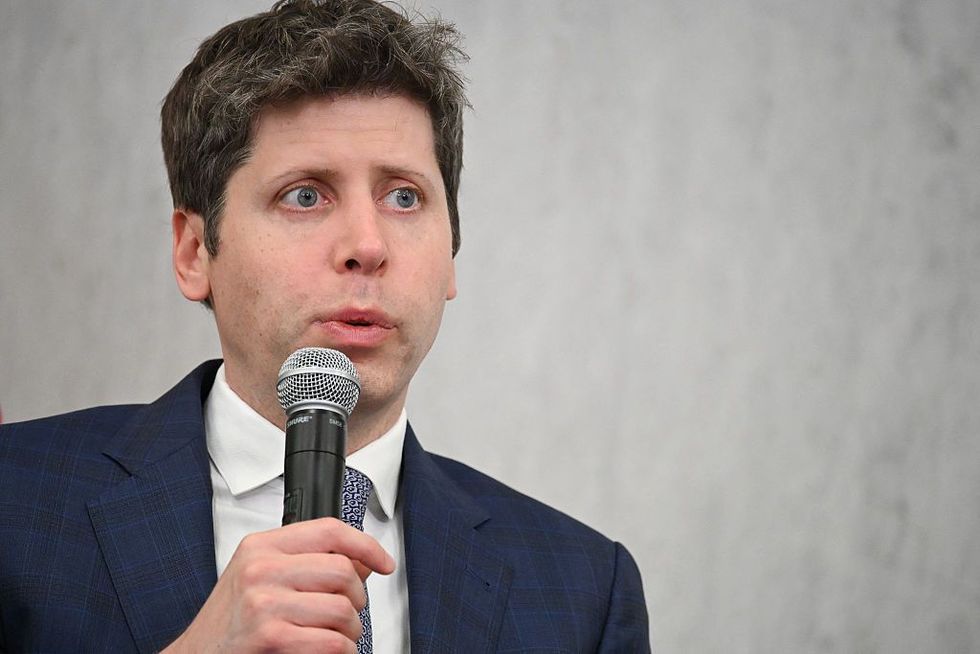
On October 1st, OpenAI "parted ways" with three safety researchers the company said had shared confidential information. Critics, per the Wall Street Journal's reporting, called it the sidelining of internal warnings about the risks of increasingly powerful systems.
Which brings us to today. Director of National Intelligence Jay Clayton — who had been expected to run the Super Intelligence Force before Bessent wasn't it, before anyone was it — will now serve as AI czar. His assignment, per the Washington Examiner: three months to establish the "risks and opportunities" of artificial intelligence.
Follow the clock with me. Day one of ninety starts today. The Accord's subtitle promised a joint commitment on frontier responsibilities, no verb attached. Khanna's bill promised a ban until guardrails exist. OpenAI's departures promised fewer people asking the question internally. The government's answer to all three, five days shy of a week after the signing, is a study of the question the signing ceremony was called to close.
The risks and opportunities are still unknown. The document says they're not supposed to be.
“They sign a pledge, lose the safety guys who'd actually flag a problem, then hire a study to find out if there's a problem — that's not oversight, that's a shell game with a ninety-day clock on it. Every one of these moves buys time, and time is the only thing being spent here; nobody's writing a check for enforcement. Watch what the intelligence director's report says in January, because by then the next product ships regardless.”
“Director Clayton brings exactly the credibility this moment needs — he already runs the intelligence community, so naming him AI czar isn't outsourcing, it's consolidation. Three months is thorough, not slow; you want a czar who reads the risks instead of rubber-stamping them. And the Accord still stands — nothing in a study contradicts a pledge, they're complementary — did I say "nothing contradicts"? That's not — let me rephrase.”
Earlier in this story
- Tech CEOs sign 'morally binding' AI pledge whose oversight section names zero enforcers By Mitch · the supper edition, 3 October 2026
The receipts
Director of National Intelligence Jay Clayton will serve as the Trump administration’s AI czar and lead a three-month effort to establish the “risks and opportunities” of the technology. Clayton, who was largely expected to lead the White House’s recently formed “Super Intelligence Force,”
· Citing 'Civilizational Extinction Risk,' Khanna to Intro Bill to Ban Recursive AI from the morgue, 29 Sep 2026
· Trump confirms Bessent will not be ‘super intelligence’ czar from the morgue, 25 Sep 2026
This page is a back-issue: the story as it ran, receipts as they were. The current edition is at the front. The byline is a pen name for a column drafted by a machine and checked by the editor: how this is made.