The Common Cents Act already targets the penny, but lawmakers now want the Treasury Department to find cheaper ways to produce the nickel coin.
Page F2From§Eachthe sunrise edition — 7 October 2026
Congress kills the penny, forces rounding to a nickel that costs 13 cents to make.
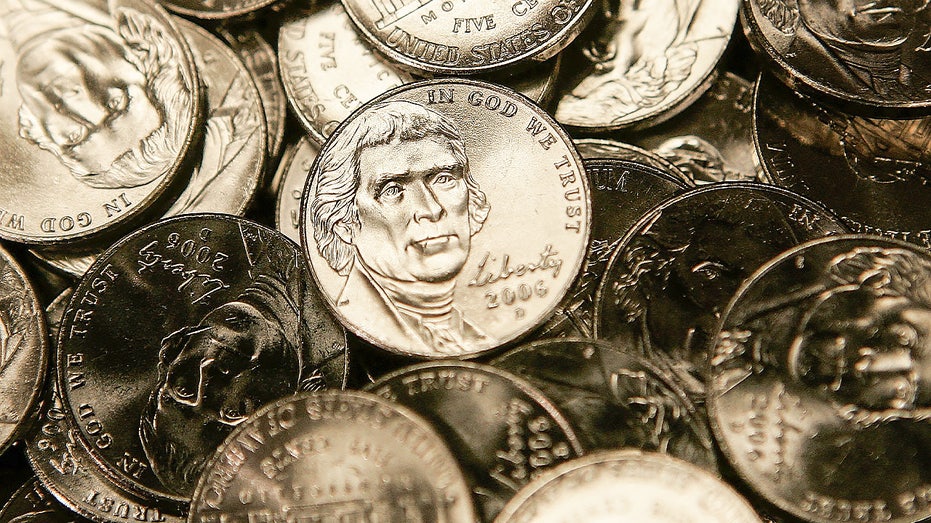
As it ran on the front
The United States Mint keeps two sets of books, and both are public record. One is the face value printed on the coin. The other is the cost sheet kept by the people who stamp it. For years the gap between them sat quietly on the penny: Congress killed that coin outright, and about a year ago the Mint pressed its last one.
That left a hole in the cash drawer, so on September 14, 2026, the House scheduled a vote on the Common Cents Act, a bipartisan bill to round every cash purchase to the nearest nickel. The bill makes the nickel the backstop coin of the whole system, the one every other transaction rounds toward.…
…(cont) The cost sheet disagrees. The nickel Congress just promoted to full-time change-maker costs the Mint 13 cents to produce. Its face value is 5 cents. Run that arithmetic on every nickel struck and taxpayers are out 8 cents a coin before it ever reaches a cash register. The penny is gone; the system that replaced it leans harder on the coin with the bigger gap, because every rounded transaction now asks for a nickel that didn't used to be required.
So the same Congress that just eliminated the penny is now asking the Treasury Department to find a cheaper way to make the coin that replaced it, a nickel that already costs more than it is worth. Not a different metal with a face value closer to its material cost. Not a nickel that costs a nickel. A cheaper nickel — same five cents stamped on the front, a lower number on the back, the gap still there, just smaller enough not to show up in a floor speech.
Nobody in this bill proposes raising the nickel's denomination to match its cost, or sending the rounding question back to committee next to the actual number. The ask is narrower: keep minting the coin that loses money, and ask the people who run the presses to lose a little less of it, hon. The gap moves. It does not close.
“Congress kills the penny, then makes everybody round up to a nickel that costs the government 13 cents to produce a coin worth 5. That's an 8-cent loss on every single one, now written into the rounding law instead of fixed by it. The gap didn't close, it just changed coins.”
“Look, asking Treasury to cut production costs on the nickel is just fiscal responsibility, that's the party being careful with — okay, the coin already loses 8 cents every time it's struck, so "careful" might not be the — did I say that? The point is nobody's raising taxes here, they're just asking the Mint to lose a little less per coin, which is basically the same as saving money, structurally.”
The receipts
· Congress moves to round all transactions to nearest 5-cent interval as Mint stops producing pennies from the morgue, 14 Sep 2026
This page is a back-issue: the story as it ran, receipts as they were. The current edition is at the front. The byline is a pen name for a column drafted by a machine and checked by the editor: how this is made.