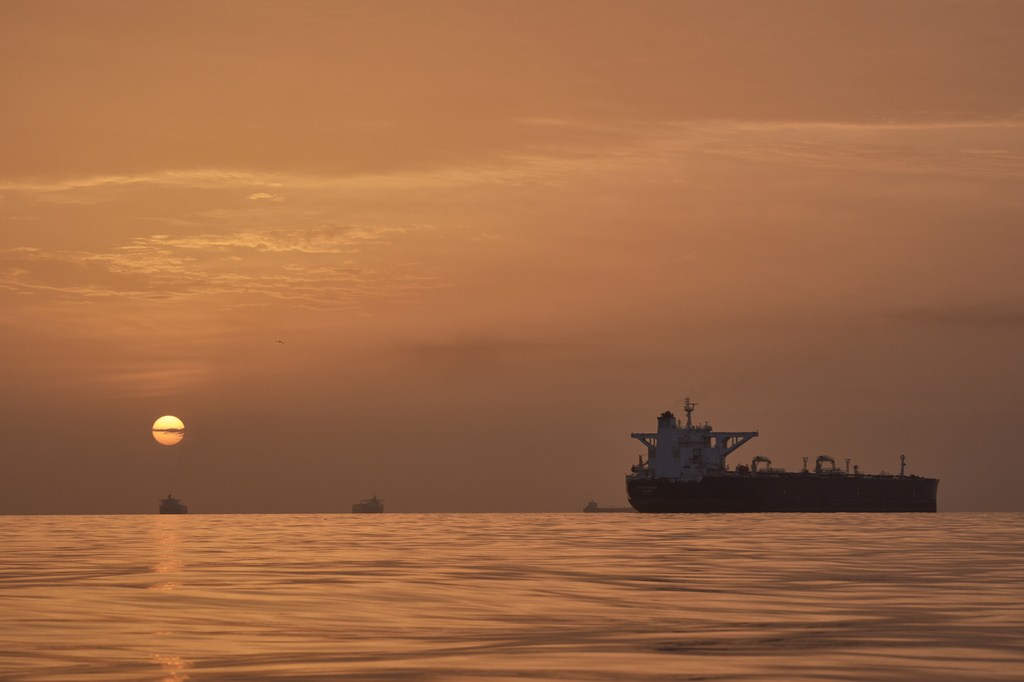
“Iran is betting on the midterm elections. It could lose big”, 3 November 2026 (Photo via Washington Examiner — the original report)
As it ran on the front
I have a receipt in my coat pocket, from the dry cleaner, dated the day before the election, and at the bottom, where they stamp what you owe, somebody wrote PAID IN FULL, which I take to be a word some people use for over.
I don't bring it up about the shirt. I bring it up because I'm trying to find something written down elsewhere, and I keep misplacing the page.…
…(cont) On August 31st — I have this because somebody printed it — the president told a reporter, after Iran and the United States traded strikes, "We're going to hit them hard. There will be a response." That's a promise of more, not less.
Three weeks later, in Iowa, two members of Congress from his own party were on record saying the war was squeezing their farmers at the pump. That's a different kind of cost, paid at the register, not read about.
On September 26th, the president confirmed, himself, that he had turned down a peace proposal from Iran. "They made a proposal, but I rejected it," he said. I wrote that one down twice because I didn't believe it the first time, and the second time it looked the same.
On October 23rd, in Florida, he was asked about a possible strike that weekend. He said he didn't know anything about it. Then he got on stage and said there might be "another little epic fury." I don't know what that means exactly. I know it's not "no."
On October 28th, in Lubbock, Texas, he told a crowd, "You'll see Iran in a couple of weeks, if you don't mind." That's a date, more or less. Not a secret one.
Somewhere in that same stretch, the price tag on the whole operation kept moving. The Congressional Budget Office had it near forty billion. The Pentagon's own figure, separately, was forty-two billion as of August. By October 28th — the Lubbock night — the Pentagon's own figure had gone to forty-seven billion. Nobody itemized what moved.
Then came the vote itself. The night before Americans went to the polls, the United States struck Qeshm Island. The Pentagon called it defensive.
And by the day after, reporters had found something: the White House had kept striking Iran for weeks without reporting it. So how many of those weeks show up anywhere in a transcript from the podium?
Which is the part I keep circling, the way you circle a lot looking for a space you know is there. Because somewhere in the last several weeks, in public, the president said the war had ended. That's not my phrase — that's the phrase on the page I can't find, that everyone else seems to have a copy of.
Iran's not treating it as ended either. Their negotiators called the American response to the latest proposal "not convincing," the same week Tehran's own officials were reportedly stalling, hoping the midterms would cost the president a win before any settlement. In Tehran, clerics and officials have started making the case, out loud, for a bomb the country had pledged, years back, not to build. That's reporting, this week, on people saying it.
Here's my demonstration, and then I'll let you go. You know the toll plaza, the light that turns green and says PAID. Mine does, each time. Then the statement comes three weeks later with charges on days I don't remember driving — tolls I paid, that the system is also still running a meter on. Both things are true about the same four seconds at the gate.
The car needs a fan belt, my cigar's gone out twice writing this, and none of that is the point.
Excuse me — before you go. I still haven't found the itemized part of that dry-cleaning receipt, the part between drop-off and the PAID stamp. I'm asking: is the war over?
🍺
“They told you the war was over the same week they kept striking without telling anyone — that's not peace, that's the invoice going dark. Forty billion turned into forty-seven and nobody itemized the difference, and the only people saying the cost out loud right now are the Republicans about to lose seats over it.”
“Look, when the president said the war was over, he meant the active combat phase was over, and what's happened since is defensive, which — OK, 'defensive' for seven or eight weeks running is maybe a tough sell, did I say eight weeks, I meant — the point is you don't brief the public on troop movements in the middle of an election, that's operational security, it's not, um, timing.”
Iran is no longer simply waiting for America’s midterm elections. It is trying to influence them. According to Reuters reporting, Iranian officials acknowledge that Tehran has prolonged negotiations with Washington, hoping to deny President Donald Trump a political victory before Americans vote.
President Trump said on the eve of U.S. elections that a deal with Iran "could happen," but after new U.S. strikes, Tehran called America's response to the latest proposal "not convincing."
President Trump has a narrow window of a few weeks after the midterm elections to launch a renewed war on Iran before a new Congress is likely to reign in his war powers, experts told The Post.
This page is a back-issue: the story as it ran, receipts as they were. The current edition is at the front. The byline is a pen name for a column drafted by a machine and checked by the editor: how this is made.