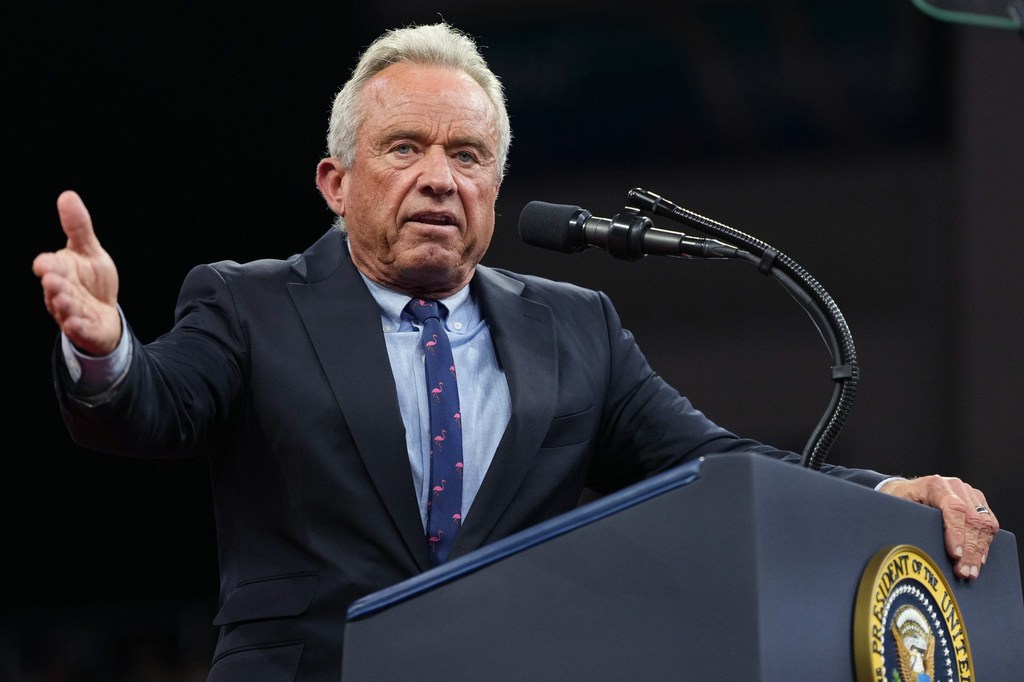
“US likely to lose its measles elimination status this week”, 9 November 2026 (Photo via Washington Examiner — the original report)
As it ran on the front
The measles-elimination status the Centers for Disease Control and Prevention certified in 2000 died this week, at 26.
In October, the Guardian found a CDC that had grown less transparent as measles deaths climbed, the public getting fewer updates on an outbreak the agency was still counting. By November 9, the Washington Examiner reported what two years of transmission had added up to: more than 7,000 cases nationwide, enough for the Pan American Health Organization to open the review that would decide the credential's fate. The same day, the Guardian covered the other count closing that week, calling the midterm results a complete repudiation of the people who had let the outbreak run this far. Two days later, the Guardian reported what elimination's defenders had warned since the health secretary took the job: losing the status would be a tremendous step backwards. That same day, the Hill asked the CDC's director what would change once the credential was gone. The answer, on the record, was nothing.…
…(cont) Nothing changed. This week it became official. The Washington Post and CBS News confirmed what the Examiner had priced in days earlier: the United States no longer meets the standard it set for itself twenty-six years ago, the outbreaks that broke it still running in Texas, Utah and Arizona. A credential like this one is a measurement, kept by an outside body, of whether a disease that used to kill hundreds of American children a year is still being stopped before it spreads. For twenty-six years the measurement said yes. It does not say that anymore, and the CDC's director, the one official on record here, says the agency's response is staying exactly the size it was when the answer was still yes.
Measles is a penny-ante virus to reintroduce, as these things go — one unvaccinated traveler, one crowded waiting room, and the chain starts over. It does not care about transparency scores, about repudiation, about a title a body in Geneva or Washington hands out once a generation. It cares whether enough children get a shot before it arrives. The credential tracked that number. The number is now wrong, and the agency that watched it go wrong says it will keep watching it the same way.
In lieu of flowers: a published count of vaccination rates, county by county, updated the week it falls, not the week a body abroad notices it already did.
🍺
“They lost the title that said measles was beat, and the top doc's answer is nothing changes — like losing your health inspector's A and bragging the kitchen's still the same. This ain't paperwork, it's kids in Texas, Utah and Arizona catching a disease we beat twenty-six years back, and the guy running the show calls that steady as she goes.”
“A title from some outside health board doesn't treat one sick kid, so why's everybody acting like the sky fell? The director said the response isn't changing, which — hold on, doesn't that mean it wasn't enough to begin with? That's not where I was going with that.”
The US declared measles eliminated in 2000. The last two years carry more cases than the rest of the century combined - the worst count since 1991 The Hill / CDC measles data, July 2026
The United States is likely to lose its measles elimination status this week after an international public health body reviews data from nearly two years of outbreaks amounting to more than 7,000 measles cases across the country. The Pan-American Health Organization, part of the public health arm of the United Nations, will meet Tuesday…
The US declared measles eliminated in 2000. The last two years carry more cases than the rest of the century combined - the worst count since 1991 The Hill / CDC measles data, July 2026
The United States has lost its official measles elimination status for the first time in 26 years. Here's what to know.
This page is a back-issue: the story as it ran, receipts as they were. The current edition is at the front. The byline is a pen name for a column drafted by a machine and checked by the editor: how this is made.