
NO ANSWER
Pretti family demands Justice Department release evidence file it stopped sending four days earlier
The chief lays the file on the table first: in January, federal agents in Minneapolis shot Alex Pretti, an ICU nurse and U.S. citizen, and in the same crackdown shot Renee Good. Two bodies, one state, and by March Minnesota had already sued the federal government just to see what its own officers wrote down.
For seven months the only paperwork that moved fast was the smear: by August, Pretti's family was hearing officials describe their son as an "assassin" and a "domestic terrorist," a label applied to a man they'd just finished calling a nurse.
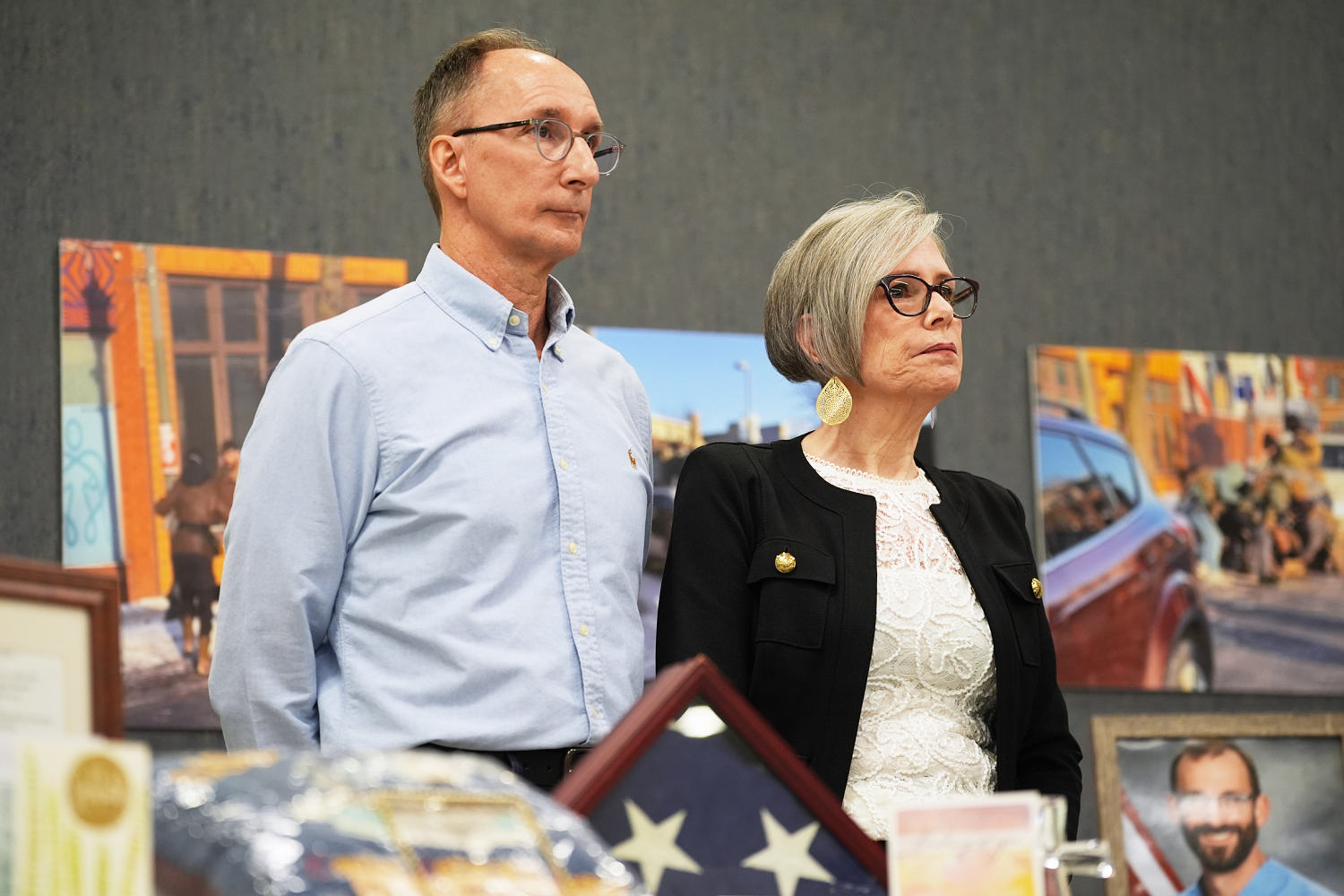
Then came the part with the receipts. On October 23, Minnesota told a court that the flow of evidence had not slowed — it had stopped. The federal government, the state said in a filing, is no longer sharing anything related to either shooting. Four days later, Pretti's parents stood in front of cameras and asked the Department of Justice "to do what is right," saying the government had ignored them, then misled them.
The planner studies that timeline and likes what it reveals: the state's lawsuit was never going to be enough on its own, because a civil suit only forces the other side to hand over what it already decided to hand over. Which is where the tinkerer goes to work. The federal government did not need Minnesota's cooperation, a new statute, or an act of Congress to open a second track — the civil-rights pattern-or-practice review the Justice Department is already authorized to launch on its own agencies, no state subpoena required, no family request necessary. It sits in the same building as the evidence that stopped moving. Nobody has touched it.
The muscle goes first on the excuse, because the excuse is load-bearing: "ongoing investigation" cannot cover an investigation that, by Minnesota's own filing, isn't being shared with anyone investigating it. Knock that wall down and there is nothing behind it but the choice not to open the drawer.
The pilot's job is simpler than it sounds: fly the file to where the family already is. Nine months after a nurse died on a Minneapolis street, the tool that doesn't need the state's permission, doesn't need a new vote, and doesn't need the file Minnesota can't get — is still sitting closed, in the one office that owns the key.