By The Wrecking CrewThe Remedy Desk
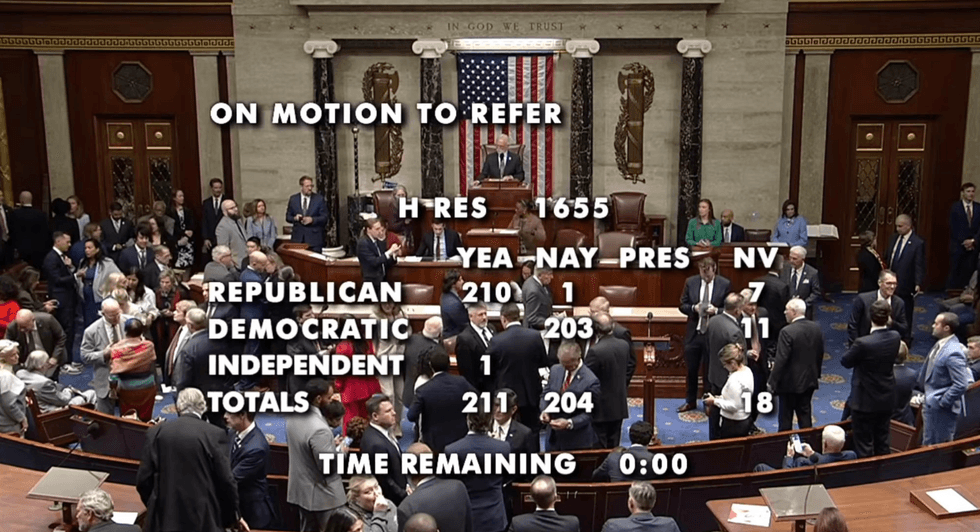
Seven votes. Start there, because that is the number that actually happened this week: the Secretary of Defense survived impeachment by seven votes. A margin is a margin. The people who lose do not get one.
What he survived was eight articles, filed September 15th by a Kentucky Republican who had already lost his own primary — Iran, the boat strikes, Yemen, stacked up in a pile. When you need eight counts, you are not confident in one.
Yes, the Congressional Budget Office put Defense Department spending on the war at $38 billion through the end of July and called that estimate conservative. A cost estimate is not a verdict. Yes, a U.N. fact-finding mission said on September 17th there were "reasonable grounds" to believe two strikes were war crimes, and the Times reported investigators finding that the mistakes that killed more than a hundred children "went beyond negligence." Reasonable grounds is the phrase a panel reaches for when it has one kind of grounds and not the other kind. Their phrase, not mine.
On Friday the Secretary of State took the Barbara K. Olson Memorial Lecture at the Federalist Society's National Lawyers Convention, a slot reserved for conservative legal royalty, and told Republicans that politics requires more than simply winning elections. He is not resigning. That is a man staying. And in a speech about the future of the party he did not say the word Iran, which is discipline — the war is not the subject, the subject is the party, and the word does not come up because it does not need to come —
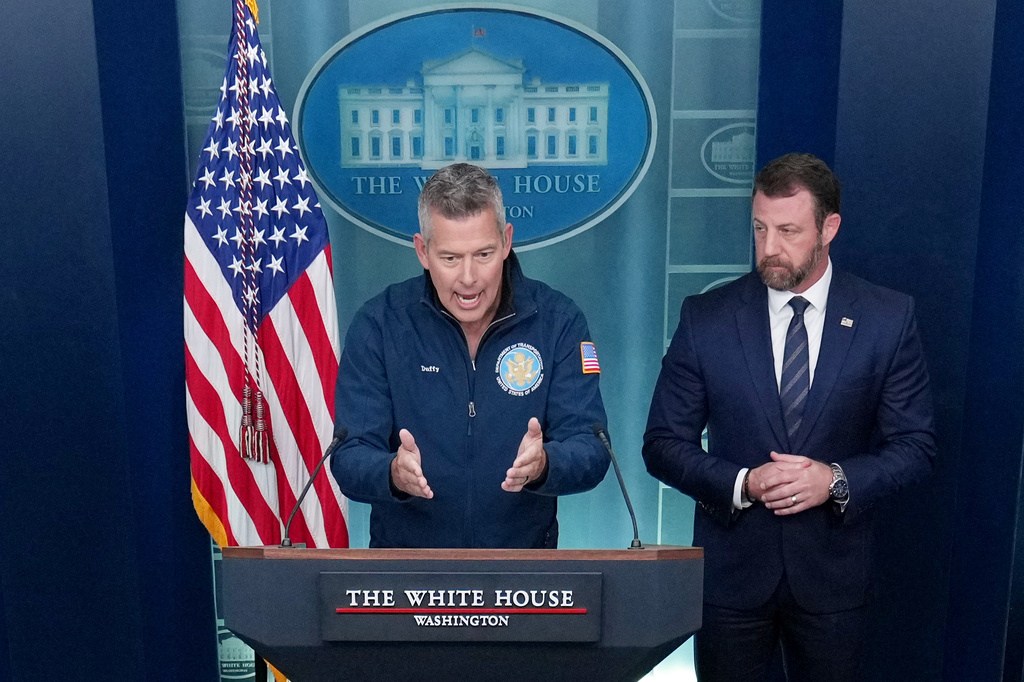
It came up. The White House spent three consecutive days explaining prices and used it on two of them: Biden on the first day, Iran on the second, Iran again on the third. Fine. The word comes up when it explains something. That is not inconsistency, that is sequencing, and taken in order across all three days the position is stable: the inflation is inherited, the energy is the war. Two causes, one price. That is a model.
The Fox News poll of September 17th has 71% saying the administration lacks a plan to end the war and 60% calling it the wrong decision. A plan you announce is a plan they read in Tehran. The President said on September 9th the war would not end before the midterms, and it did not end before the midterms — an administration meeting its own forecast exactly.
A sentinel at the Tomb of the Unknown Soldier told the Secretary's party to be quiet, on camera. On Thursday the Secretary pinned a medal on the sentinel.
Which brings us to the paperwork, and the paperwork is routine. A federal appeals court said in September that the President's mail-ballot order is likely unlawful. Likely. In August the Supreme Court lifted a lower court's injunction, so the question is open, and when the question is open you ask again. Republican officials filed this week. An appeal of an order a court has called likely unlawful is simply a request for a different —
A different ruling. Not a different fact. I want that back. You appeal to a higher court; that is the system working, and the system has time, because the ballots this order would govern are not cast until 2028.
So, the ledger: the vote held by seven, the Secretary of Defense has his job, the Secretary of State is not resigning, and the price explanation holds across three days if you take them in order. The Army Secretary resigned in September, which is personnel. Everything else is a filing, a poll, a medal, and a court date in 2028.